From the Golden Era: The Warriors Who Made Pakistan Proud
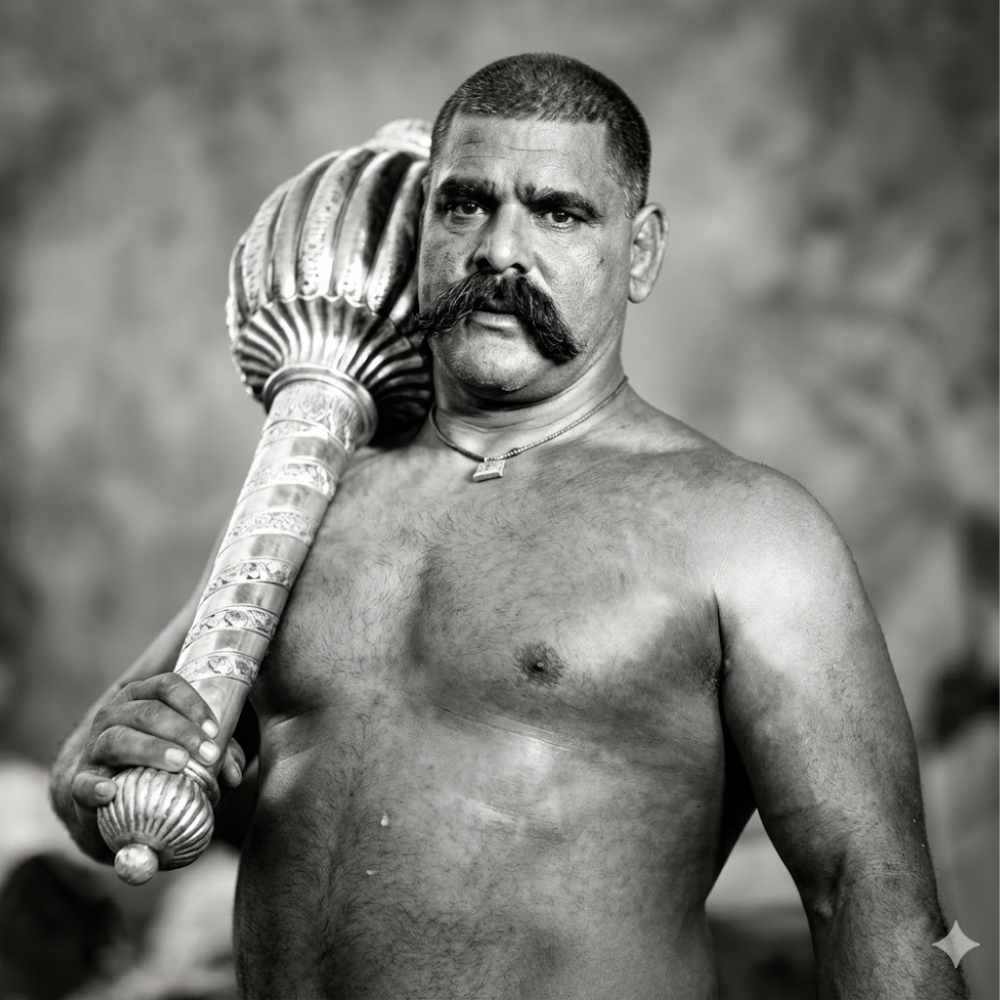
Born in Amritsar in 1922, Bholu Pahalwan (real name: Manzoor Hussain) was the eldest son of Imam Bakhsh Pahalwan and nephew of the legendary Gama Pehalwan. He began wrestling at age 9 and made his first competitive appearance in Lahore in 1935 at just 13 years old.
Bholu Pahalwan was the backbone of Pakistani wrestling after partition. He migrated to Pakistan in 1947 and established Dar-ul-Sehat gymnasium in Karachi, allotted by Prime Minister Liaquat Ali Khan. He trained countless wrestlers and kept traditional Pehlwani alive during Pakistan’s formative years.
Master of both freestyle wrestling and Indian martial arts. Known for his immense strength and mastery of traditional holds requiring extraordinary muscular power.
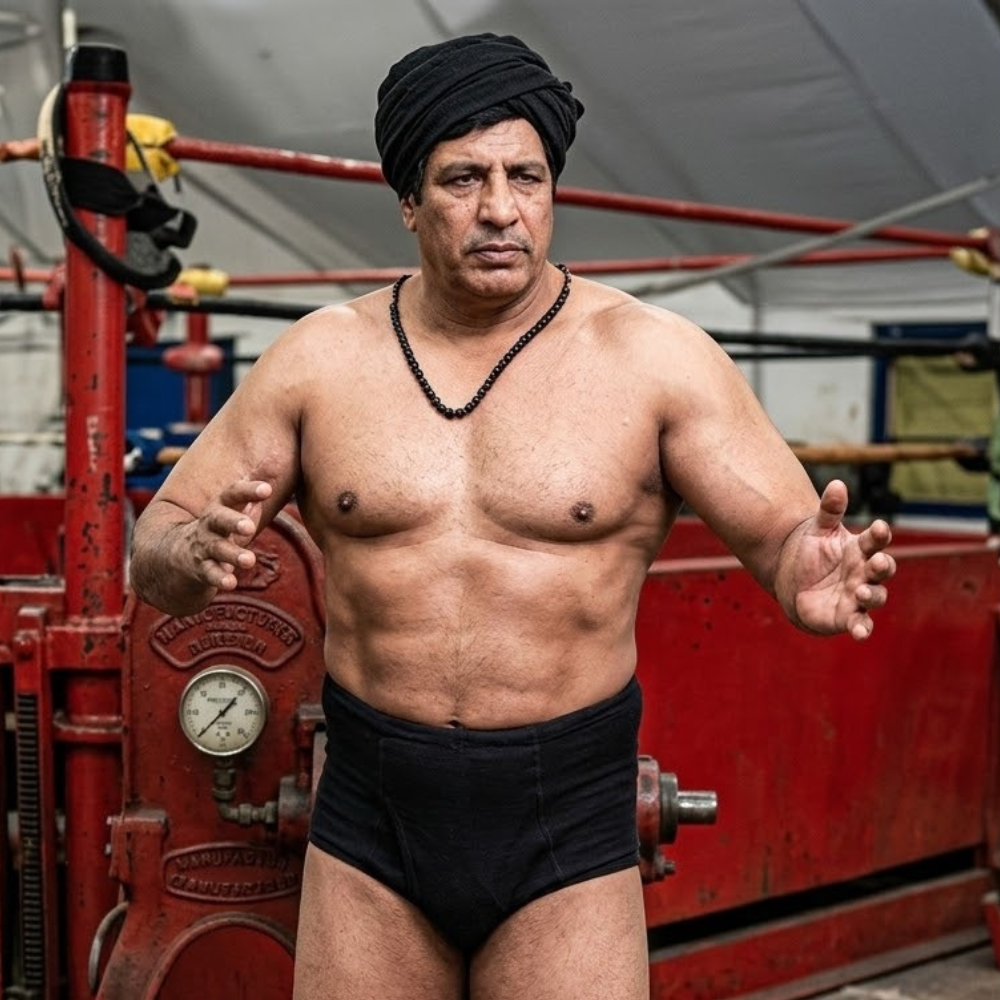
Born on January 14, 1927, in Amritsar, Aslam Pahalwan (also known as Acha) was the adopted son and actual nephew of The Great Gama. Standing 6 feet 4 inches tall and weighing over 300 pounds, he was a fearsome presence in the wrestling arena.
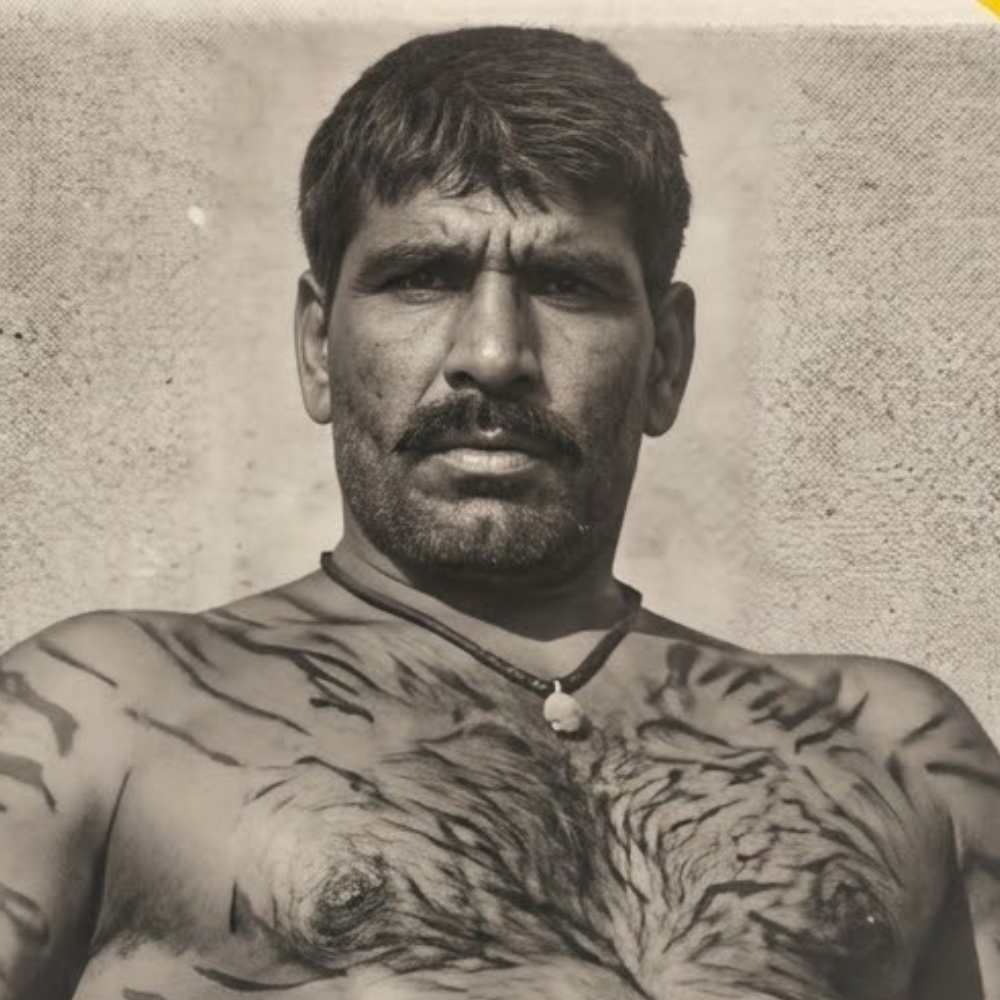
Born in 1925 in Amritsar, Azam Pahalwan (also known as Raja) was known for his exceptional flexibility and quickness despite competing against much larger opponents.
Practiced both earthen pit wrestling and boxing-style wrestling. Known for his graceful movements, speed, and the signature “chicken wing armlock.”
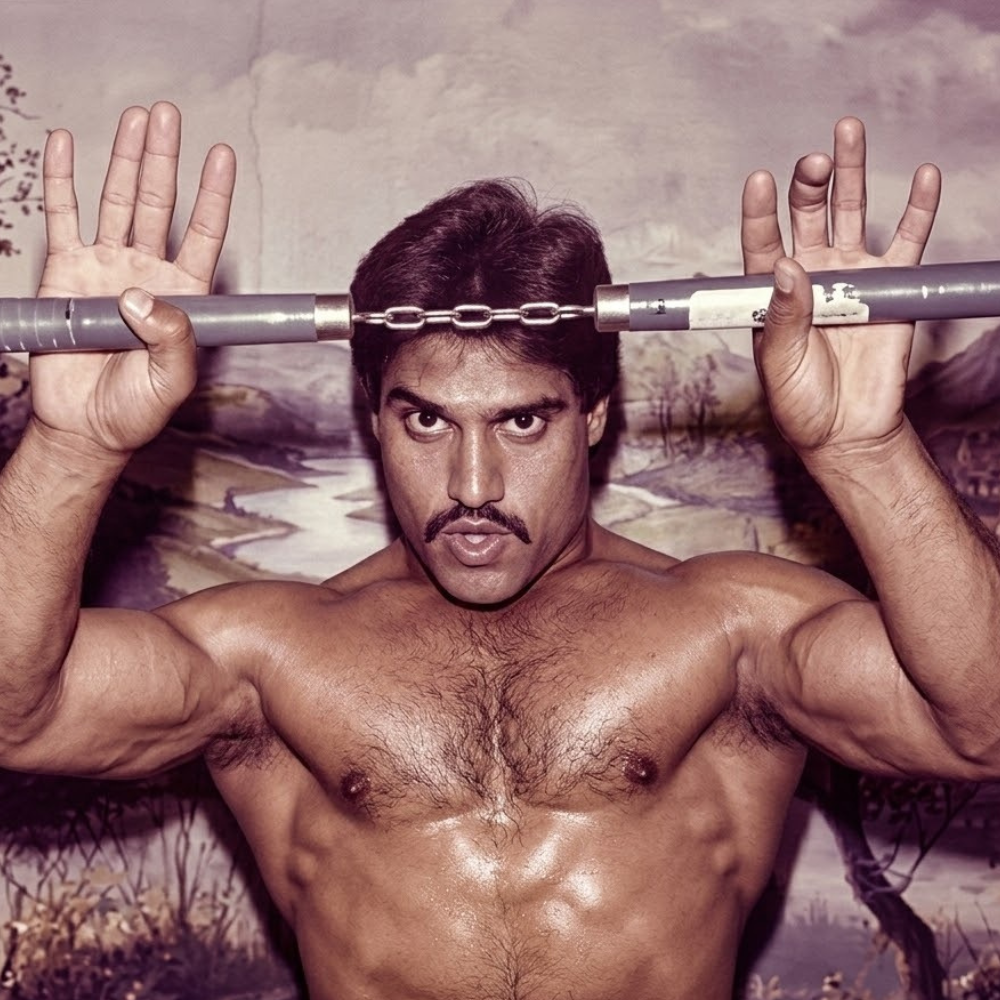
Born around 1930 in Amritsar, Akram Pahalwan (also known as Akki) was perhaps the most elegant and fastest of Imam Bakhsh’s six wrestling sons.
Goga died on February 6, 1981, at age 44, during an exhibition match in Gujranwala when accidentally struck by a flying drop kick from his nephew, Nasir Bholu. His death marked the end of the Bholu Brothers’ golden era.
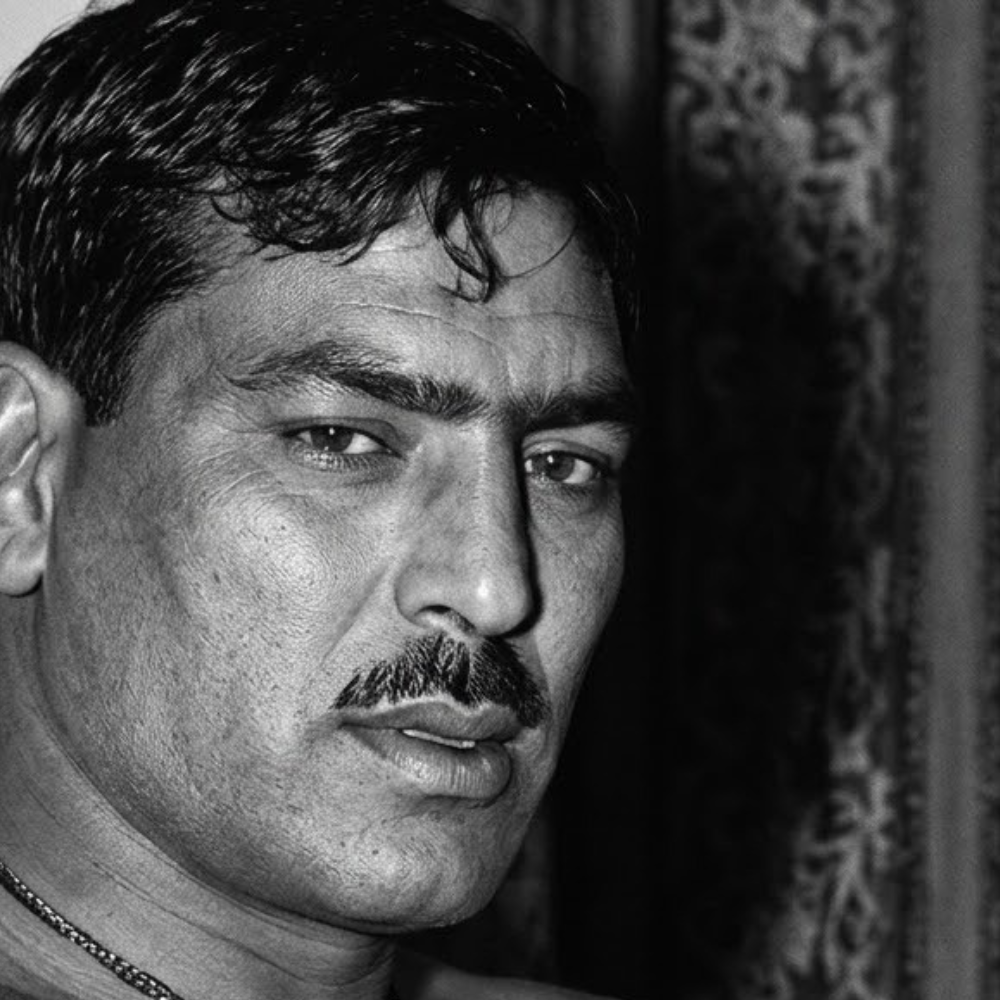
Born Moazzam in 1937 in Amritsar, Goga Pahalwan was the youngest of the Bholu Brothers and remained active in professional wrestling longer than his brothers, keeping the family legacy alive through the 1970s.
Muhammad Bashir’s 1960 Olympic bronze was Pakistan’s first individual Olympic medal and remains the only Olympic wrestling medal won by Pakistan. He dominated Commonwealth and Asian Games throughout the 1950s and 1960s.
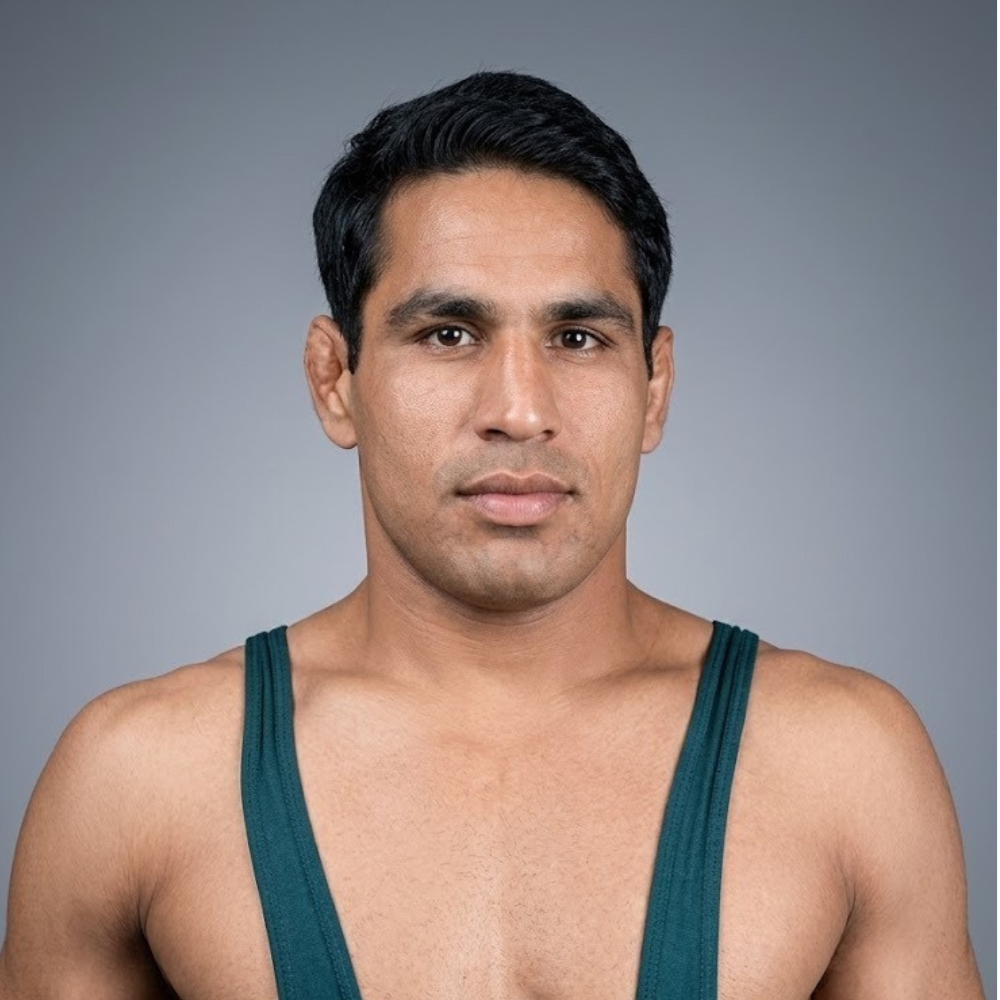
Born on March 10, 1935, in Lahore, Muhammad Bashir made history as Pakistan’s first and only Olympic wrestling medalist.
Din Muhammad’s 1954 Asian Games victory marked Pakistan’s arrival on the international wrestling stage and inspired a generation of wrestlers who would dominate Commonwealth and Asian Games through the 1960s.
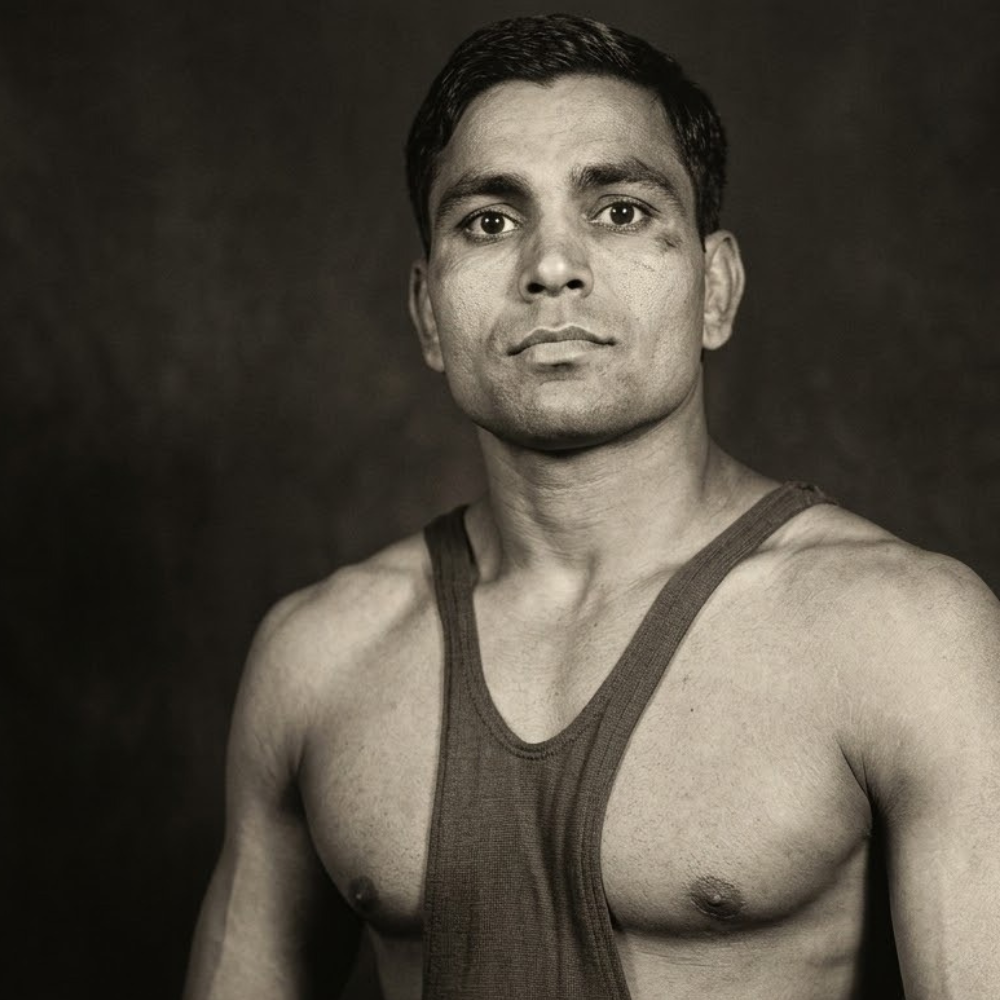
Din Muhammad made history by winning Pakistan’s first-ever wrestling gold medal at an international championship.
Nasir retired from wrestling in 1990, ending the Bholu Brothers era. His career came to a premature end due to lack of training facilities and government support in Pakistan.
During a friendly exhibition bout in 1981, Nasir accidentally killed his uncle Goga Pahalwan with a flying kick, a tragedy that deeply affected him.
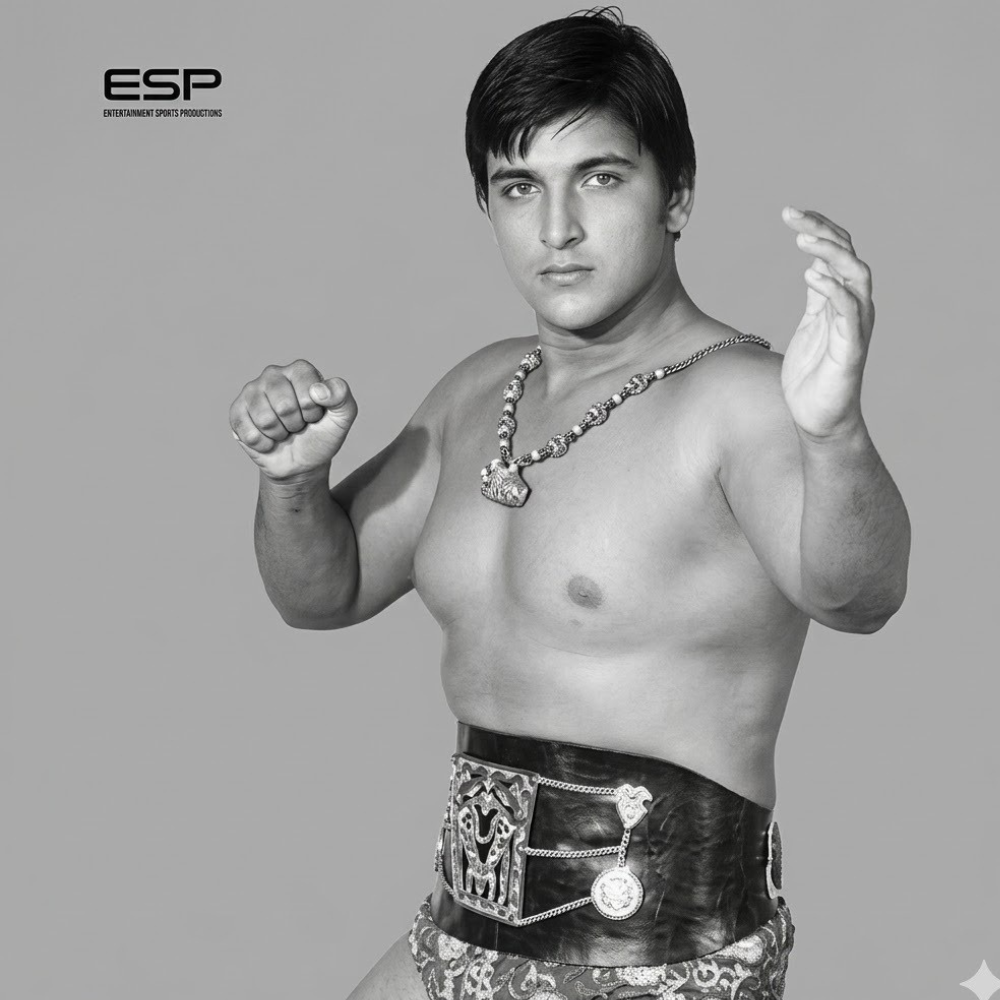
Born in 1960, Nasir Bholu is the son of Bholu Pahalwan and the last surviving member of the legendary “Bholu Brothers” wrestling dynasty.
Jhara joined the Bholu Brothers team when they were close to retiring and briefly kept the family’s wrestling legacy alive. He was considered the best Pakistani wrestler of his era.
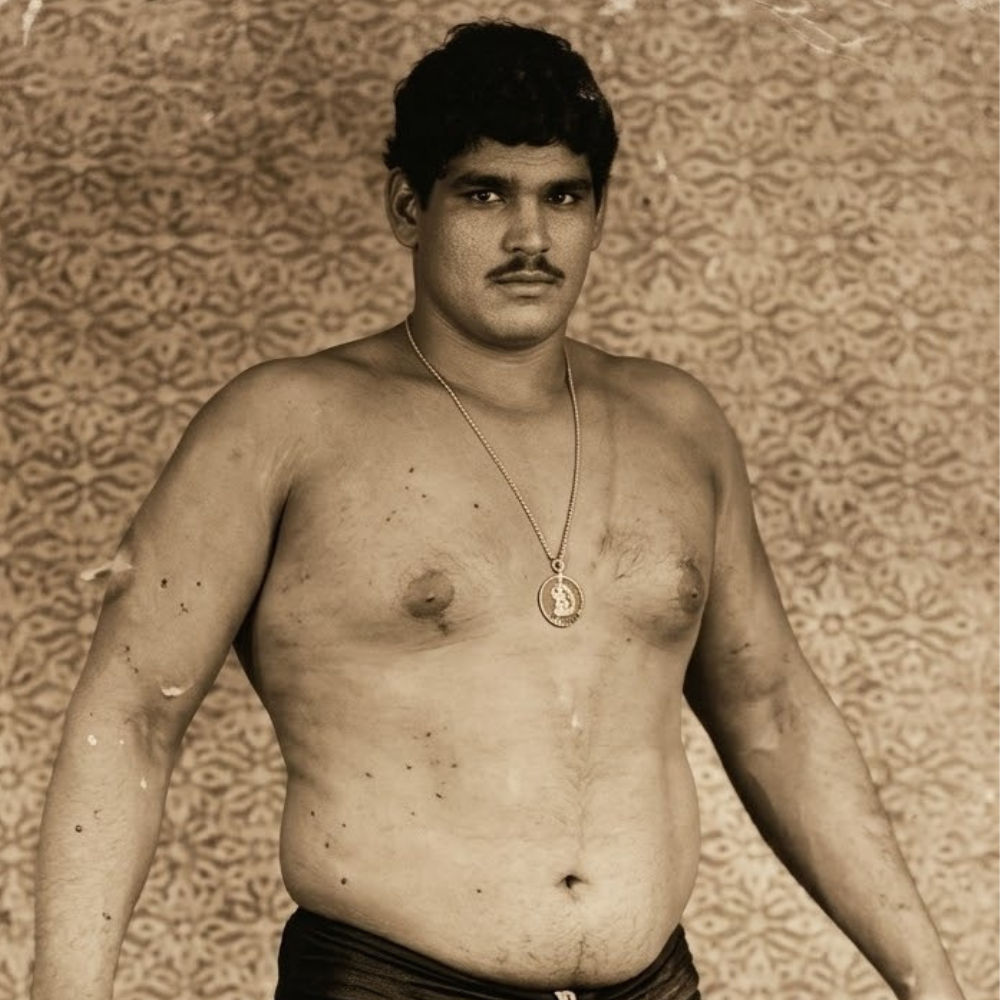
Zubair Aslam, famously known as Jhara Pahalwan, was the son of Aslam Pahalwan. He represented the new generation of Pakistani wrestlers and remained unbeaten throughout his short but brilliant career.
Prime Minister Liaquat Ali Khan personally allotted a building in Karachi to the Gama wrestling family (Imam Bakhsh’s family) to establish Dar-ul-Sehat gymnasium, recognizing their importance to Pakistan’s sporting heritage.
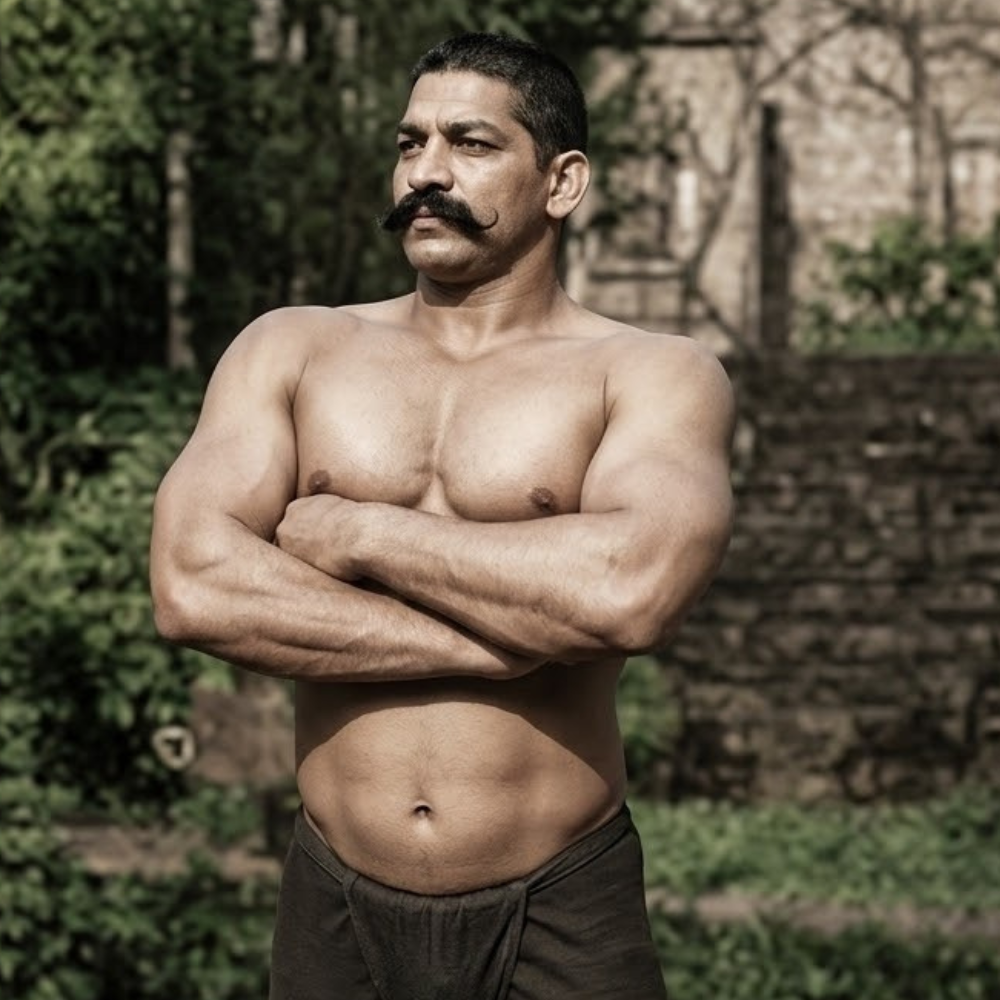
Father of the legendary Bholu Brothers (Bholu, Hassu, Azam, Aslam, Akram, and Goga) and brother of The Great Gama. Imam Bakhsh was himself a Rustam-e-Hind (Champion of India) and established the wrestling dynasty that dominated Pakistani wrestling for four decades.
These legendary Pehlwans represented more than athletic excellence. They embodied:
Training 6-8 hours daily from before sunrise
Consuming 1,500 PKR worth of food daily (milk, ghee, almonds)
Fighting for Pakistan's pride on the world stage
Preserving 5,000 years of wrestling heritage
Training together, fighting together, carrying the family legacy
From 1947 to 1990, these heroes brought Pakistan: 18 Commonwealth Games Gold Medals, Multiple Asian Games Championships, Olympic Glory, International Recognition, and National Pride.
The Dangal World Cup honors their memory and continues their mission: keeping Pakistani wrestling alive for future generations.
This page honors the memory of Pakistan’s greatest Pehlwans who competed from independence (1947) through 1990, representing the golden era of traditional and Olympic-style wrestling in Pakistan.